
MSSIC Impact
To improve quality of care of spine surgery by reducing surgical complications, improve patient functional outcomes, reduce costs and episodes of care, and reduce the need for repeat surgeries.
Our Collaborative Results:
.avif)
15%
Fewer patients developed a surgical site infection
Baseline 2016
Lives impacted: >330
.avif)
65%
Fewer patients suffered from urinary retention
Baseline 2016
Lives impacted: >6,500

196%
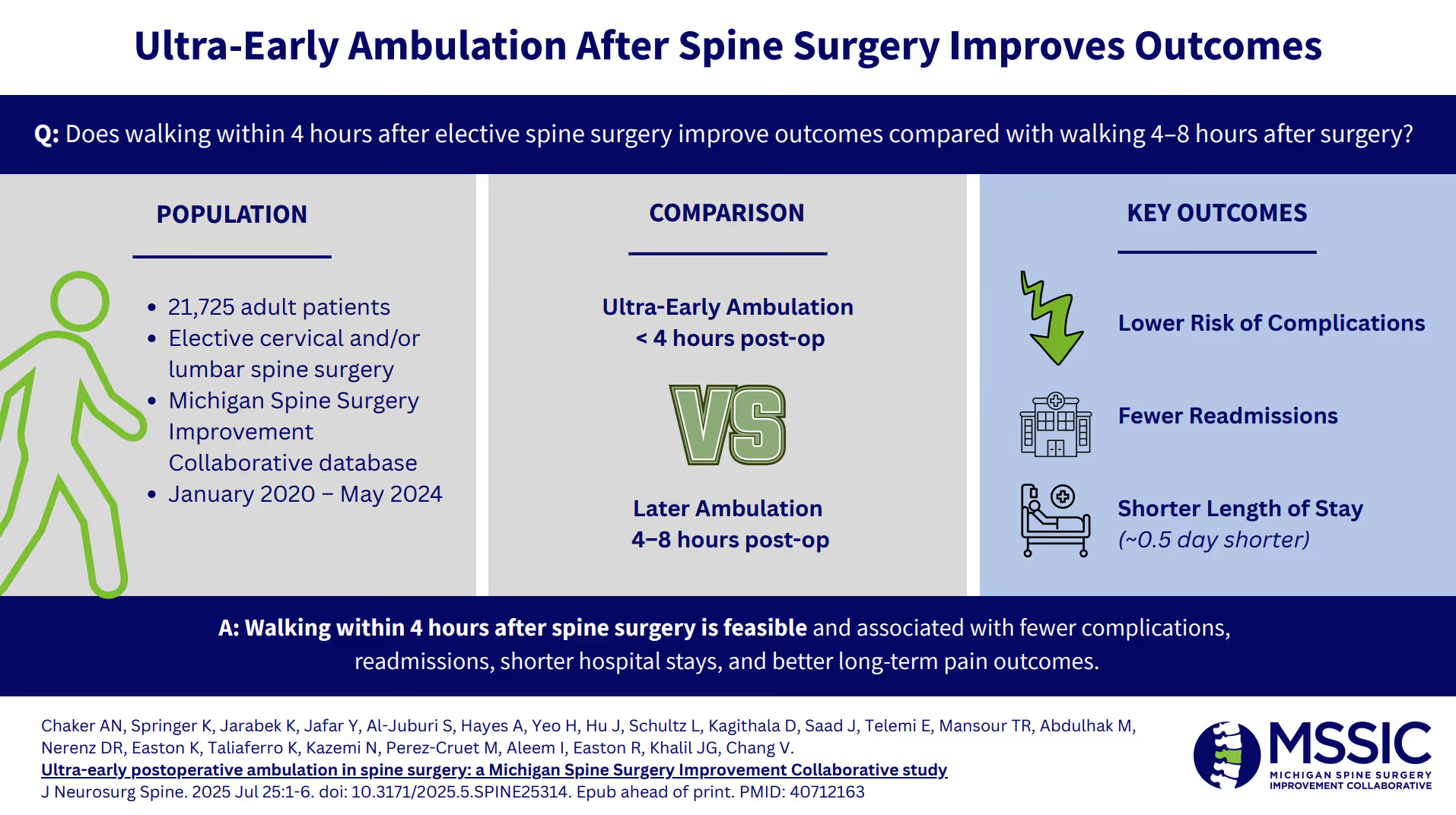
More patients ambulated within 8 hours of spine surgery
Baseline 2018
Lives impacted: >61,000

81%
More patients provided with presurgical ERAS patient education
Baseline 2021
Lives impacted: >26,000

30% - 37%
* More patients discharged on less opioids
Baseline 2022
Lives impacted: >5,200
Additional Performance Highlights:
- In 2025, more than 11,000 patients received ERAS risk assessment and optimization that previously would not have
- In 2025, presurgical tobacco cessation risk assessment and optimization compliance was 86%
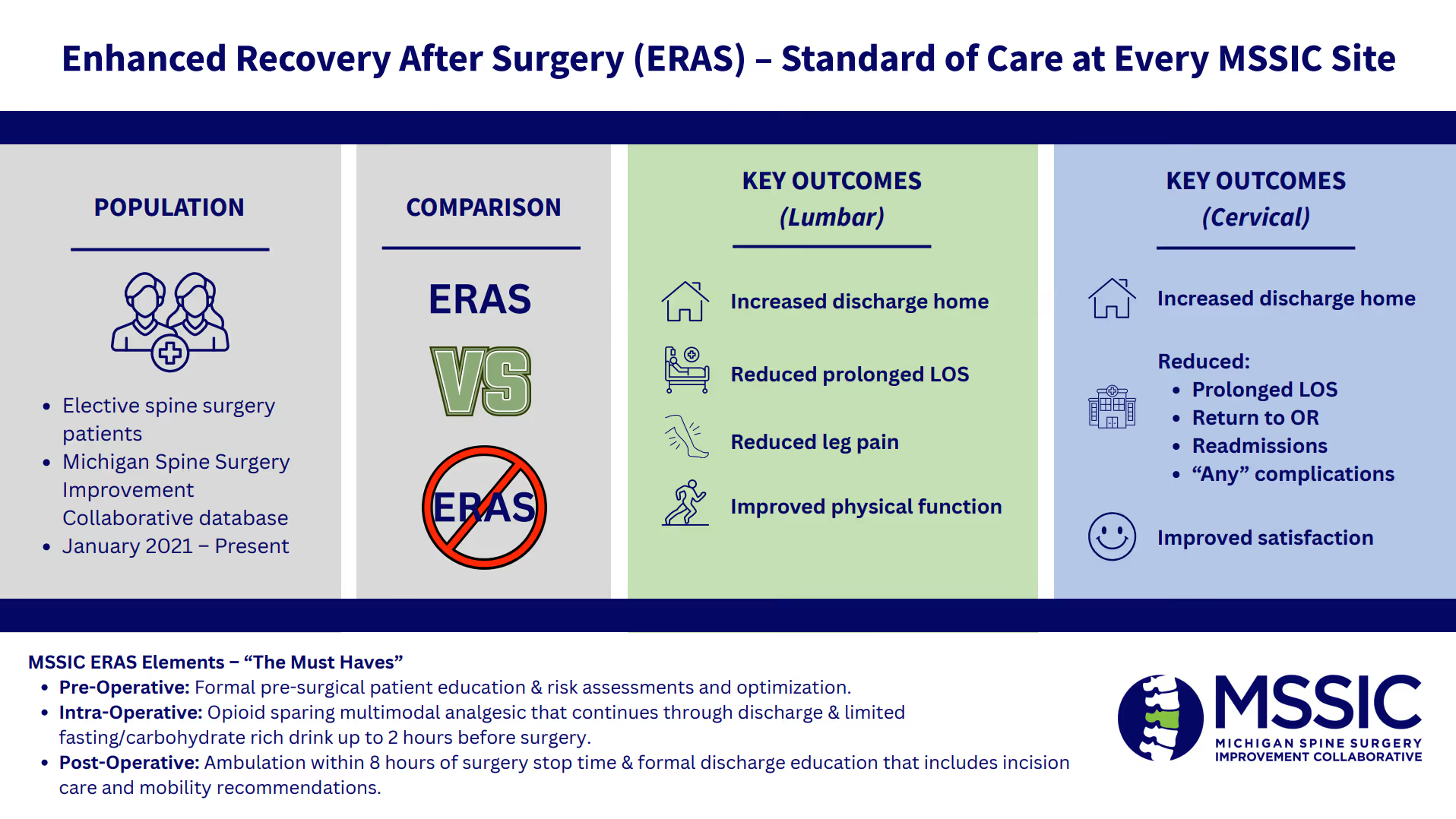
- Nationally recognized Enhanced Recovery After Surgery (ERAS) program that focuses on improving patient outcomes at all MSSIC sites
- Improved compliance of carbohydrate-rich drink before surgery (108% since 2021), helping recovery by reducing: insulin resistance, nausea, and vomiting after surgery
- Improving patient-reported outcomes such as satisfaction, functional status, pain, and return to work
- * Improved percent of patients discharged w/less opioids (Baseline 2022): 1-2 level lumbar decompression (32%), 1-2 level anterior cervical (37%), and 1-2 level lumbar fusion (30%)
Last updated April 2026
Get in touch with our team
If you have any questions or want to learn more, please reach out to our team.